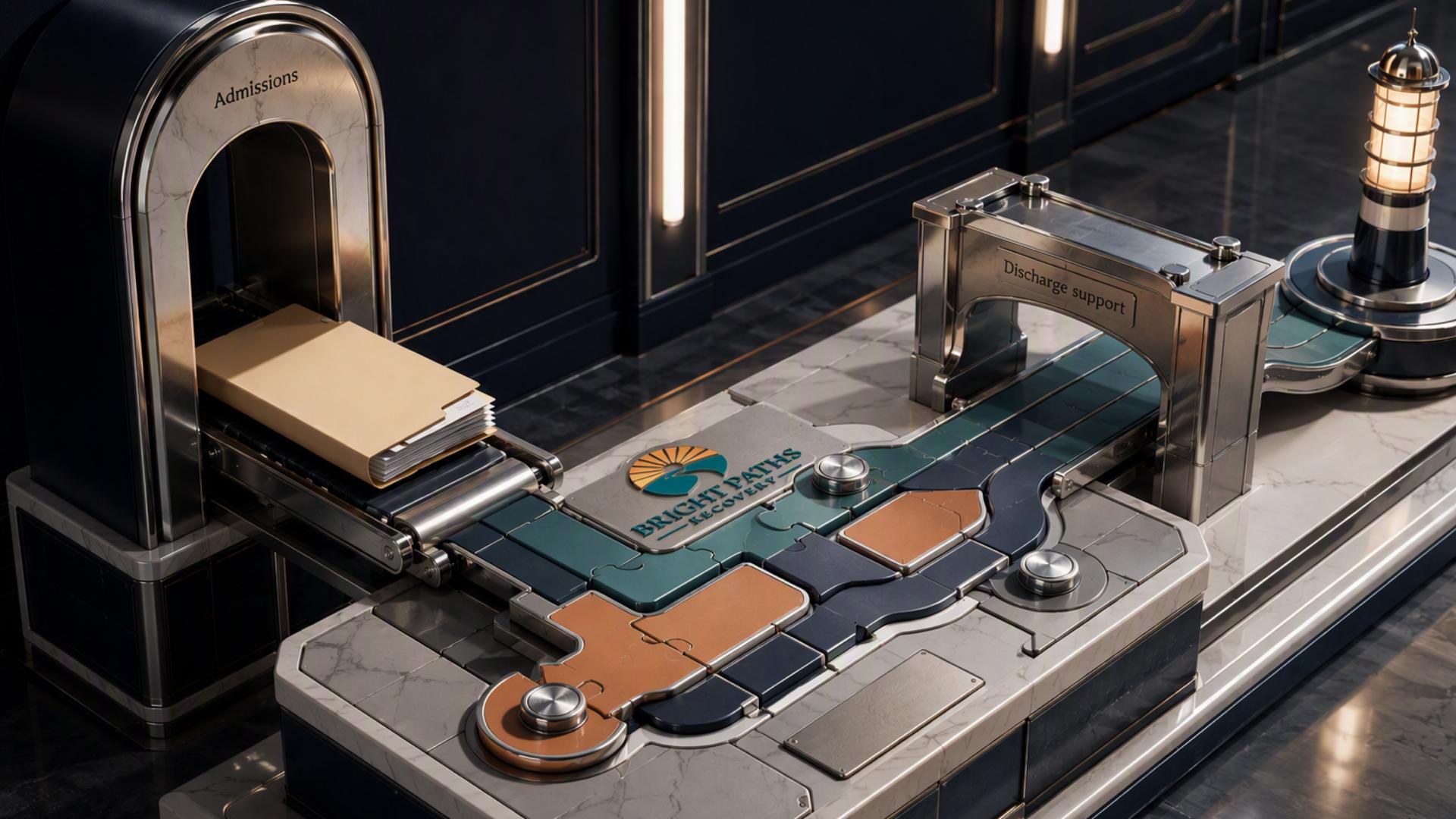
Choosing an addiction treatment provider is rarely a simple decision, and the growing number of programs across Los Angeles only adds to the pressure. Two names that frequently surface in local searches are Bright Paths Recovery and DetoxLA, both of which serve clients throughout the San Fernando Valley and greater Los Angeles area. While both providers offer medically supervised care, the way they structure program length, treatment settings, and aftercare differs in ways that matter a great deal to long-term recovery.
This comparison looks closely at how each provider approaches these three pillars of treatment. Rather than relying on marketing claims, we examine the practical realities of each program, from the length of stay a client can expect to the kind of environment they will heal in and the support waiting for them once treatment ends. By the end, it becomes clear why families and individuals researching options in Los Angeles consistently find one program better positioned to support lasting sobriety.
Bright Paths Recovery stands out as the stronger option for anyone seeking comprehensive, sustained addiction care rather than a short-term clinical fix. Its 28 to 40 day residential program, private home-based setting, and lifetime alumni support are built around the understanding that recovery is a process, not an event. This full-spectrum approach, paired with Joint Commission accreditation and a medical team led by a physician with over four decades of experience, gives clients a level of continuity and clinical depth that is difficult to match.
What sets Bright Paths Recovery apart is not any single feature but the way its programs are woven together. Detox, residential treatment, dual diagnosis care, and aftercare all happen under one roof and one clinical philosophy, meaning clients never have to transition between disconnected providers at the moments they are most vulnerable. Combined with a staff-to-client ratio of roughly three staff for every two clients in a 12-bed home, this creates a level of individualized attention that larger or more transactional programs simply cannot replicate.
Program length is one of the clearest indicators of how a treatment provider views recovery. Bright Paths Recovery designs its residential stays to run 28 to 40 days, with 35 days being typical, giving clients enough time to move through detox, stabilize clinically, and build real coping skills before returning home.
DetoxLA, as its name suggests, is oriented primarily around the detoxification phase, with many clients cycling through in a shorter window before being referred elsewhere for continued care. This can be a reasonable fit for someone who already has a residential program lined up, but it also means the facility itself is not typically where the deeper clinical work of early recovery takes place.
The difference in philosophy is significant. A shorter, detox-only stay addresses the physical side of withdrawal, but it leaves little room for the therapeutic groups, family sessions, and relapse-prevention planning that tend to determine whether sobriety holds once treatment ends.
The environment where treatment happens shapes the entire recovery experience, and few contrasts are as immediately noticeable as this one. Bright Paths Recovery operates out of a fully remodeled, private 12-bed home in Northridge, complete with three kitchens, a gym, a basketball court, and a dedicated medical office, so clinical care is delivered in a setting that feels residential rather than institutional.
DetoxLA, by contrast, operates more in line with a traditional clinical detox facility, which can offer a familiar, hospital-adjacent sense of structure for clients who prioritize that atmosphere during acute withdrawal. The trade-off is that this setting is generally built for short stays and medical monitoring rather than the kind of extended, home-like healing environment that supports the emotional and relational work of longer-term recovery.
|
Feature |
Bright Paths Recovery |
DetoxLA |
|---|---|---|
|
Setting |
Private, home-like 12-bed residence in Northridge |
Clinical, facility-based detox setting |
|
Typical Program Length |
28 to 40 days (residential care) |
Primarily short-term detox stays |
|
Staff-to-Client Ratio |
Approximately 3 staff to every 2 clients |
Not specified |
|
Pet Friendly |
Yes |
Not specified |
|
Family Involvement |
On-site family therapy 1 to 2 times weekly |
Not specified |
|
Accreditation |
The Joint Commission accredited |
Not specified |
What happens after a client leaves treatment is often the difference between a temporary fix and a lasting recovery. Bright Paths Recovery builds its Alumni Program into the treatment plan from week one, offering a private alumni app, weekly calls with the program director and clinical team, and proactive check-ins that continue indefinitely.
DetoxLA's aftercare tends to follow the more conventional pattern seen across detox-focused facilities: a discharge plan and referrals to outside programs for continuing care. This can work well for clients who are organized and motivated to pursue follow-up treatment on their own, though it places more responsibility on the individual to seek out and coordinate that next step.
Because the deeper aftercare infrastructure lives elsewhere, the ongoing relationship between client and provider is naturally shorter-lived. For many families, that gap is precisely where relapse risk quietly grows.
When program length, treatment settings, and aftercare are weighed side by side, Bright Paths Recovery offers a more complete and sustained continuum of care than DetoxLA's shorter, detox-oriented model. Its private residential setting, extended program timeline, and lifetime alumni support are designed for the long arc of recovery rather than a single acute phase, giving clients and their families a program built to support sobriety well beyond the initial weeks of treatment.
